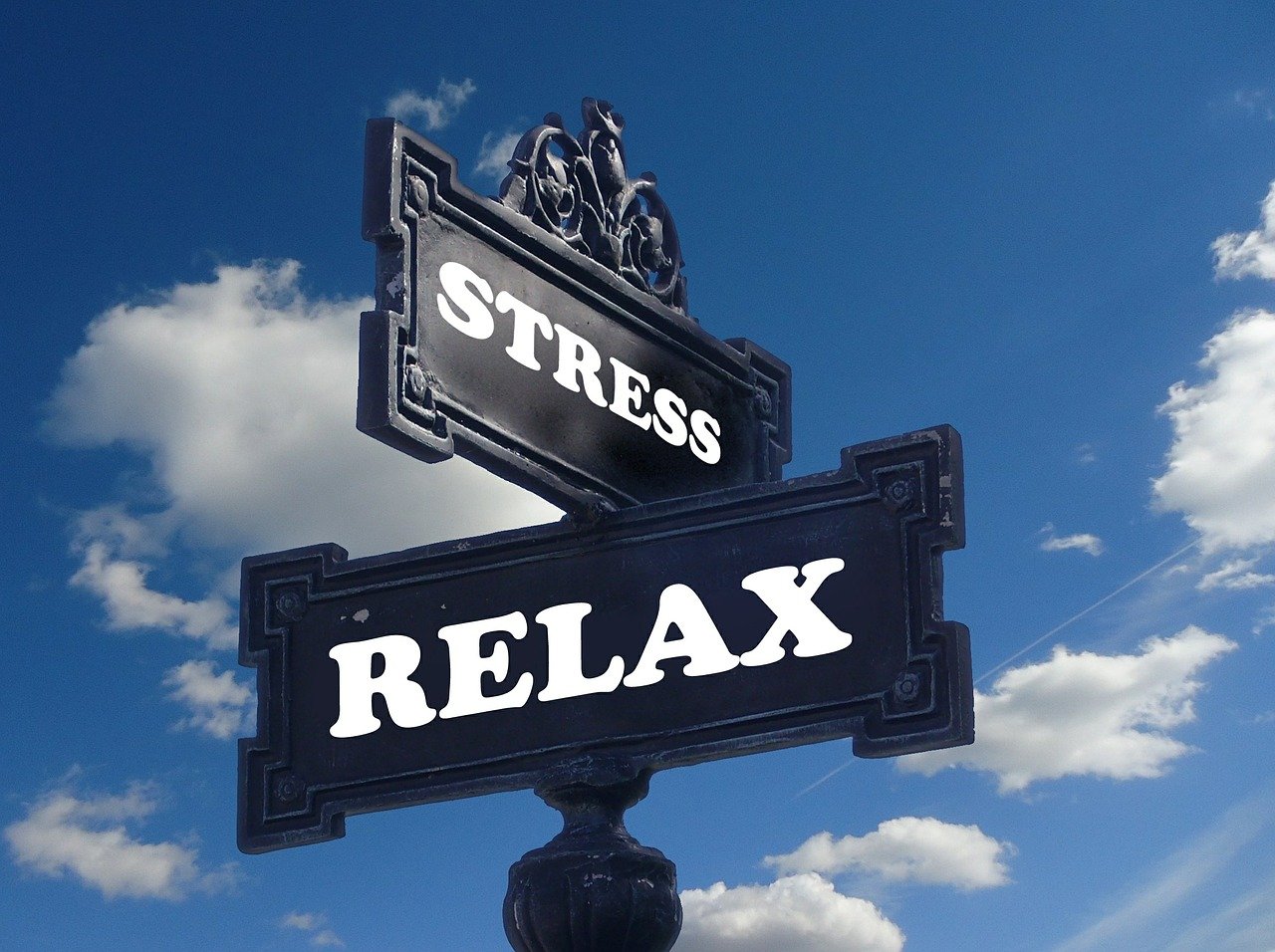
Continuing my learning of recovery from burnout, I recently wrote about the need to “do less”, which is far easier said than done, particularly if you are anything like me and are recovering from a lifelong addiction to perfectionist productivity…
But, annoyingly, the more I have practiced this art of avoiding over-involving or over-extending myself, the more I have not only felt the benefits to myself but also noticed the knock-on benefits to others around me.
In fact, frustratingly, it seems that my excessive involvement may not always be necessary, or even helpful sometimes – for myself or anyone else involved. It is incredibly humbling to learn that you can add value by simply not doing anything at all?!
For someone who has long associated my worth with the amount I have achieved, it has been reassuringly refreshing to realise that I can achieve more by doing less – quality over quantity forthe win.
How have I achieved this, you may ask?
If I were as talented as Liz And Mollie, I might have a clever illustration to share with you to help guide my decision-making process, like this one:
In addition to that, here are a few questions/prompts I have used that have helped me:
1. When making decisions, how can I choose the path with the least stress?
This may seem obvious – who would choose more stress rather than less? But I’ve realised that by not considering the impact of stress in my decision-making, I was inadvertently allowing higher-stress options to win out, without taking the cost of the stress into consideration.
In the past, I would focus on what I thought was the “quickest, most effective, most efficient” way of working. And while I might have been correct with some of my methods, a lot of the saving of time or effort was cancelled out by the challenge I had in convincing other people to engage with a new methodology. Instead, it would not only take longer for me to achieve something but it would also cause me more stress in trying to persuade people to do things differently, rather than simply accepting people as they are.
So now, when I am trying to make a decision, rather than thinking about the “best/quickest/most efficient” way to do things, I start with what would be the least stressful way of doing things, and refine it from there. I work with what I have, rather than wanting things to be different from how they actually are in reality.

2. Rather than choosing your battles, how can you avoid them entirely?
As a principled person, with a strong sense of integrity, fairness and justice, I have spent a lot of time and energy choosing to stand up for myself or for people around me. And while I do still believe it is important for us to advocate for ourselves and for others whose voices are not represented, it is also essential that we are conscious of the emotional and mental cost we are paying.
Previously, I have stood firm and done my best to stand my ground in the face of bullying behaviour or what I perceived to be an abuse of position or power. But I have learned that there are some battles you cannot win. Indeed there may be no winners at all.
In this scenario, it can be important to simply remove ourselves from it – to disengage, depart or detach ourselves in whatever way we can. Then, as and when we choose to return, can we do so with fresh eyes, and see the unwinnable battlefield for what it is – a minefield to be carefully navigated rather than bulldozed through. By letting go of that need to win or desire to defeat our perceived opponents, we may find the conflict no longer actually exists.
3. What Healthy Boundaries do I need to put in place?
The quickest way for me to feel stress and resentment is for me to be stretched beyond my limits, which is where setting boundaries saves me as well as the people around me. Whether it is understanding the limits of your working hours/day, or the level of notice/information you need before committing to an event/project, or maybe even the knowledge of how to get the best from ourselves in any given situation; all of this requires action and communication through boundary setting in order for us to feel the benefit.
I have struggled with guilt, or an inflated sense of duty or importance, which has meant I have overcommitted, or taken on too much too quickly and then been afraid to back down. Conversely, I have countered that by saying no to everything in a bid to clear the decks, but neither of these approaches are healthy or sustainable. Nedra Tawwab has a helpful, interactive quiz to help you better understand your relationship with boundaries, from Fluid to Rigid, and how we can achieve the balance in between: https://www.nedratawwab.com/boundariesquiz
4. Can I let go of my Pride & Ego?
This is the toughest one for me at the moment and is very much a work in progress but it has already made huge differences for me in managing/reducing stress in my life. In times of uncertainty, my ego will flare if I am not informed/included/respected/valued, etc. If I have not been given clear parameters to work within, then my insecurity will become exacerbated by my need to establish myself and my authority in some way. Given we are often in turbulent times, and that clarity appears to be a privilege rather than a right, I have needed to learn to get over myself and get on with tasks if I am to have any hope of achieving the outcome desired.
So, even if I believe I am 100% correct and entitled to my views/values etc., I am learning to swallow my pride and make space for progress over principles. It is far easier said than done, but the few little attempts I have made to let go of my ego and focus on the task at hand have already reaped incredible rewards. To butcher Robert Frost’s poem, I have been taking the path I had not travelled much before, and it is making all the difference!
5. Can I be Flexible Rather Than Rigid?
This applies to our circumstances as well as to ourselves and our actions. I used to see stressful situations as set in stone – meetings couldn’t be moved, formats couldn’t be changed, roles could not be amended. But, increasingly, I have been trying to see everything as flexible – rather than accepting stress as a given, I try to identify what can be amended/adjusted or even reframed in some way. Often meeting times can be changed, or moved online rather than in person, and agendas clarified in advance, and that can help to reduce the friction for all concerned.
On top of that, my approach to work has changed – while I might have a preference of how things could or should be, I am practicing being open to different ways of working. Rather than being set in my ways or views, I am actively seeking to understand how others may see or experience a situation.
I appreciate that I am very fortunate to be in a position to choose all this and not everyone has the same level of freedom or flexibility in our roles, but I believe these are small steps I have taken that may benefit others who similarly stretch themselves too thinly in the mistaken belief they are doing the right thing for themselves and for the people who rely on them. It is the mindset shift that has helped me most, and hopefully you find it helpful too.
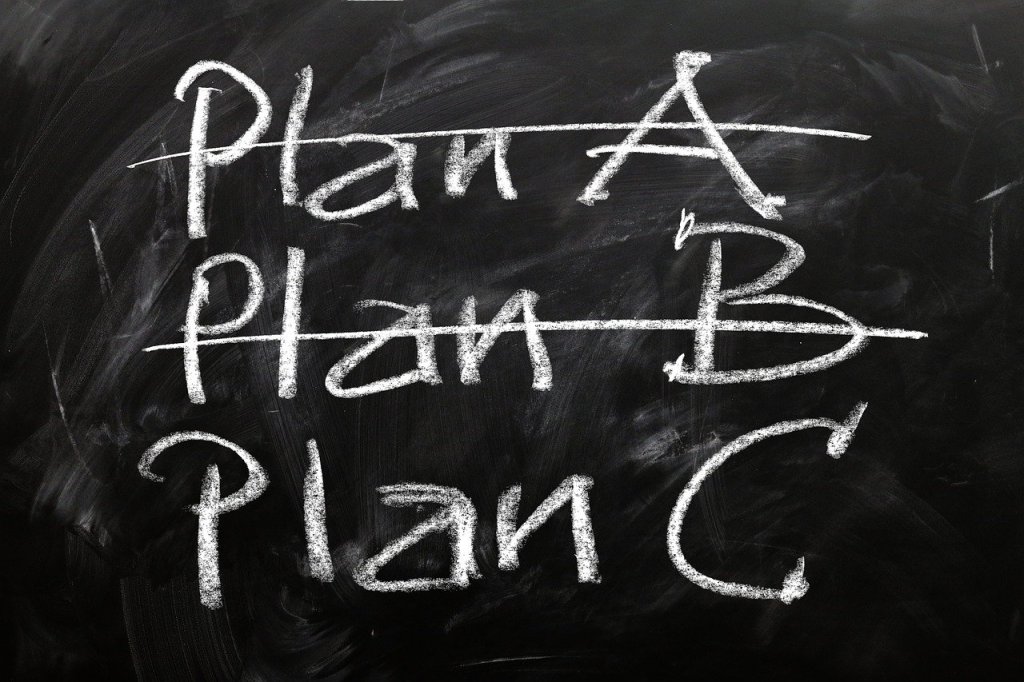
Bonus Number 6. Get Ready For The Guilt
I thought I had 5 lessons to share, but as I noticed myself implement them recently, I realised they come with a new, uncomfortable sense of guilt.
Guilt for not doing more.
Guilt for not being stressed.
Guilt for not putting myself under presssure.
And with that, a fear of judgement.
A fear that I wasn’t doing enough. That I could be doing more. That I was letting people down.
I noticed the feeling, and I made a conscious decision that I would rather feel a moment of guilt than a lifetime of stress. I felt the emotion rising in me, but after I had made space for it to be heard and felt, I could see the rational, logical side more clearly.
Choosing to attend one event on a quieter day made more sense than trying to fit too much in on a busier day.
Choosing to not attend two of the same meeting did not reduce any value or contribution I could make – my presence is not that essential to the success of any particular event or project.
I have an inflated sense of responsibility, which creates an excessive amount of pressure on myself to always be available to anyone who may want my input, even if they do not actually need it.
It’s easy to get sucked into this being linked to my sense of worth – that feeling of pride in a job well done, or the flush of gratitude from someone grateful for our contribution. But this comes at a cost.
So, get ready for the guilt. It’s a small price to pay for living a happier, healthier life.
 Siobhán Kangataran
Thanks Siobhan – this is so so so sooo good. Thank you. I hope you’re well; sending you a big hug xxx
LikeLike
Ah Megan, thank you so much! ❤️❤️❤️
LikeLike