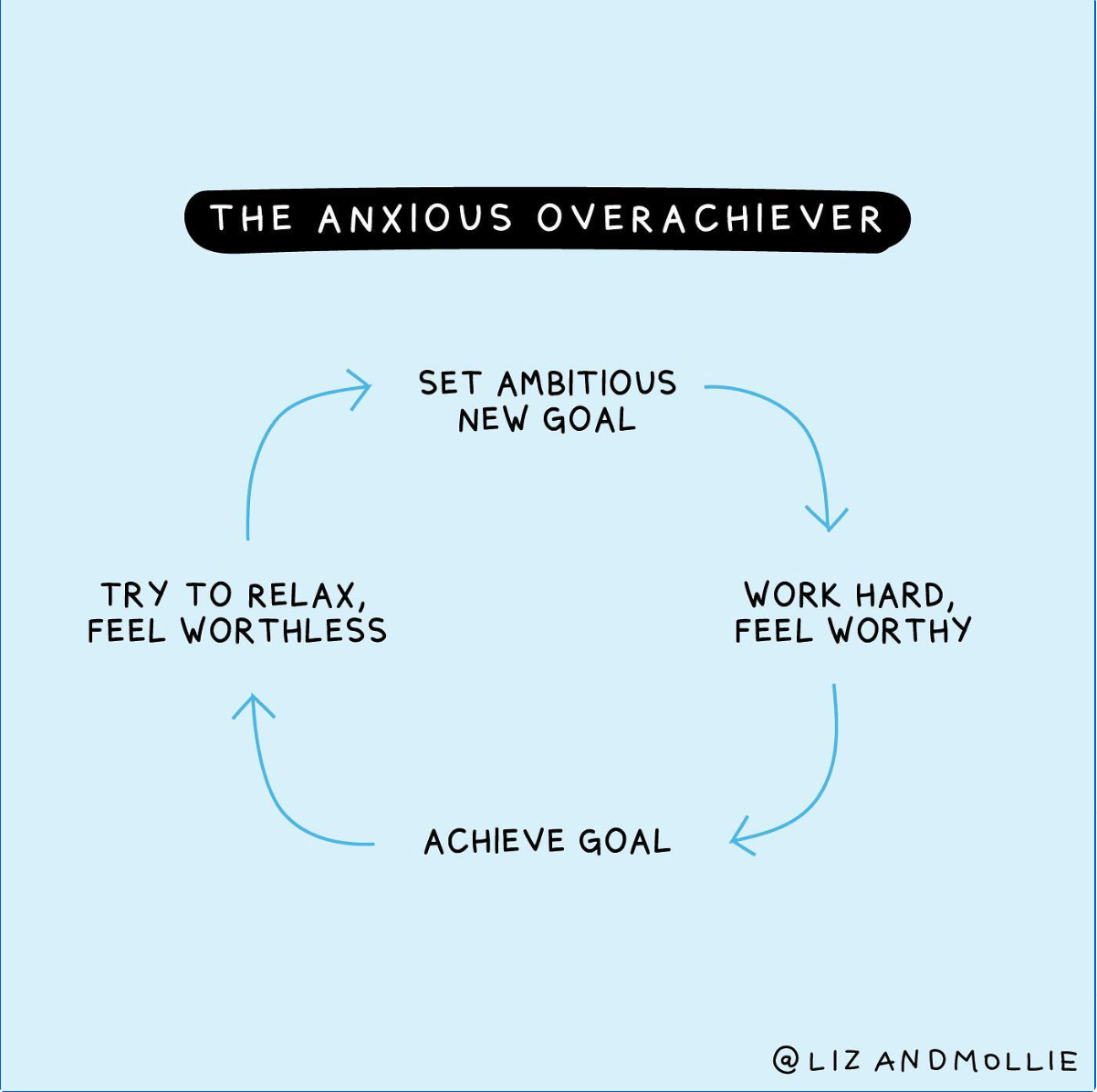
Background:
In April 2023, I wrote a post on LinkedIn about my experience with burnout – Beyond Burnout: Reflections and Red Flags – where I shared some my lessons in the hopes I would help others to avoid a similar “fiery fate”. Since then, I have had multiple conversations with people both online and in person who are in various stages of struggle and recovery, and have noticed some recurring patterns for those of us who find ourselves in this position of being overworked and overwhelmed. I have also found myself to a whole new place of positivity, partly thanks to a new ethos of “living like we’re on holiday”, which I felt warranted a follow-up piece here on my personal blog.
Lightbulb Moment
As part of my ongoing recovery from burnout, I took a week off work at the end of June/start of July to simply enjoy being at home in Kinsale. Instead of getting on a plane to an exotic destination, or booking myself into a yoga retreat, I decided to cultivate a retreat of my own in my very own home. I went for coffees and walks with friends, enjoyed a knitting lesson in Olga’s Own craft shop in Ballinspittle, went for dinner with my husband, joined a dance class, got my hair done, went swimming in the sea, and generally enjoyed the beautiful surroundings in which we live.
Taking this time for myself, but still in such a familiar setting, helped me to see and feel how different life could be with less stress. It seemed so obvious once I realised it, and it may be different for everyone, but I noticed that I seem to only have one finite source of attention and focus. It’s like a flashlight, or a strong magnet, because the second that something stressful came up at work, all the relaxing sensations went out the window, and the stress became my sole focus. The difference was that this time I noticed it and felt it, and resisted it, rather than just going along with it.
It was like trying on a pair of shoes that simply did not fit. I may have managed to squeeze into them before, and managed to block out the pain and discomfort, but treating myself to some time being barefoot meant that I could no longer contain or constrict myself so uncomfortably so easily.
The price was simply too high for me to pay.
I want to do well. I enjoy a job well done. But not at all costs.
Not at the cost of my emotional and physical and mental health.
Not if it’s a choice between my marriage or my family or my friendships or my hobbies. My work is simply not worth all of those individually, let alone combined.
Helpful Reading
Through one of my many walks and chats with friends, a book recommendation was shared – Gabor Maté’s “When the Body Says No”, which is about the hidden cost of stress on the physical body, and how it can have a deleterious affect our health and lives. Reading this while I was recovering from the impact of stress, and noticing the absence of it in my life, was poignant to say the least. Realising that this is not simply about reducing the risk of colds and injury that I had previously experienced, but also life-changing and shortening illnesses and conditions that are linked to stress.

The price is too high. I want to do well. But not at all costs.
Recurring Patterns
Speaking to my friends about this shared experience of overwhelm, I noticed some recurring themes, including:
- We seemed to set extremely high bars for ourselves – ones that no one else had mapped out or demanded but we had simply taken on as if it was a given. I refer to myself as a recovering perfectionist, and believed I was doing better at learning how to be “good enough”, but I’ve realised I still have further to go to allow myself to work at a healthy, sustainable pace.
- We took on more than we were actually responsible for – caring so much about our projects/causes/purpose that we didn’t want to let it fail because of other people, and as a result, did more than we were capable of consistently achieving. Even when we were running on fumes, we struggled to watch something crash and burn.
- We (mistakenly) believed we were the only ones who could fix/save/manage/improve situations, and found ourselves volunteering to take on more responsibility or tasks because it simply wouldn’t or couldn’t be done by anyone else. We could not accept that someone else’s attempt was “good enough”, when we thought we could do better.
I have to note that it also seemed to be a gendered experience, with far more women identifying with what I was describing than men – that may be linked to the nature of my friendships but it may also be linked to gendered assumptions, expectations and pressures on women to take on broader roles in society. I see this at work, with far more women volunteering for various working groups and committees, despite their own existing busy workloads.

The Solution
So how do we solve this?
There are many ways – most of which I have mentioned before – but the one solution that has worked best for me so far is this:
.
.
.
Do less.
.
.
Yes, it’s easier said than done, I know.
It’s hard to watch other people struggle and “fail”.
It’s hard to accept ourselves doing anything other than what we deem to be perfect.
It’s hard to risk the judgement/shame/rejection of not being the “go to” person to get things done.
But it’s harder to suffer the consequences of being this person for too long.
And, I hate to say it, but having tried this myself and watching the consequences unfold, things don’t actually crash and burn as much as we fear it might. Things don’t fall apart. Even the “failures” are often actually “good enough” to get things done.
In fact, sometimes our “helping” is actually “disabling” – it’s ok for us to allow other people to play their part.
If your identity is linked to productivity, the biggest risk in this change might actually be to you – to your sense of self. Who are you if you are not being productive?
I invite you to take some time to find out, before you burnout.
 Siobhán Kangataran
One thought on “The Price of Stress is Too High”